How a Bicycle Accident Lawyer Handles Cases Involving Commercial Vehicles
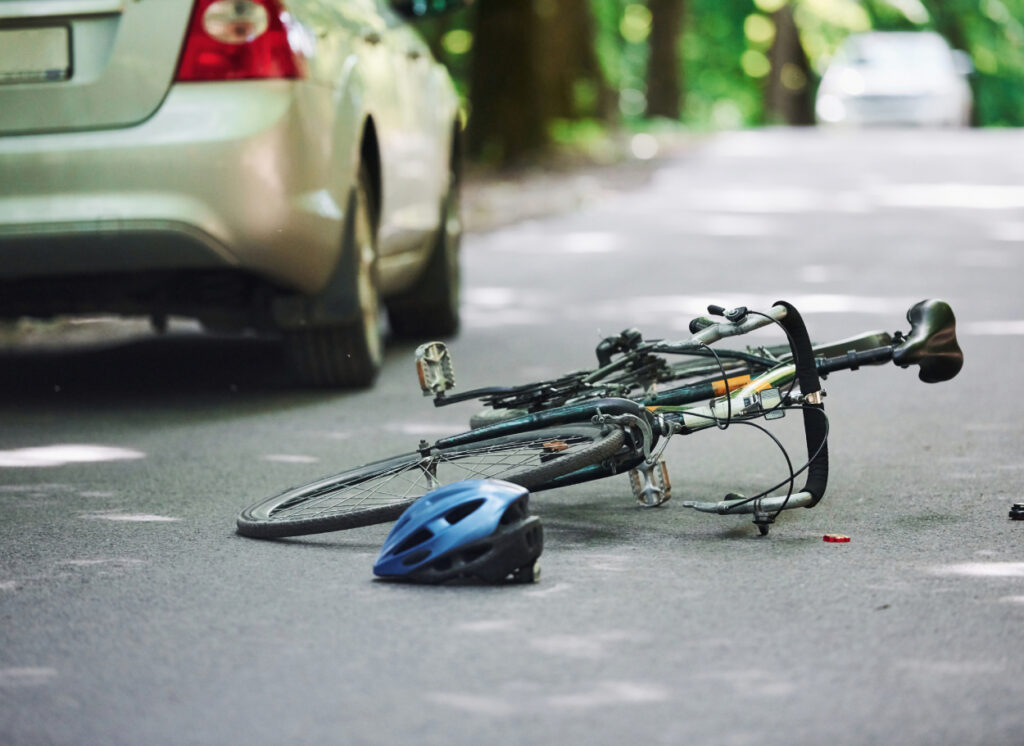
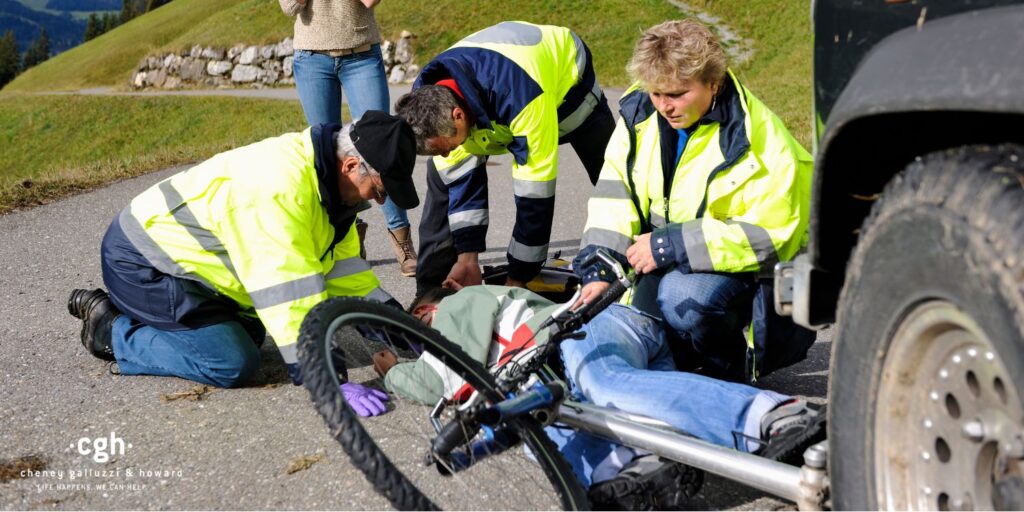
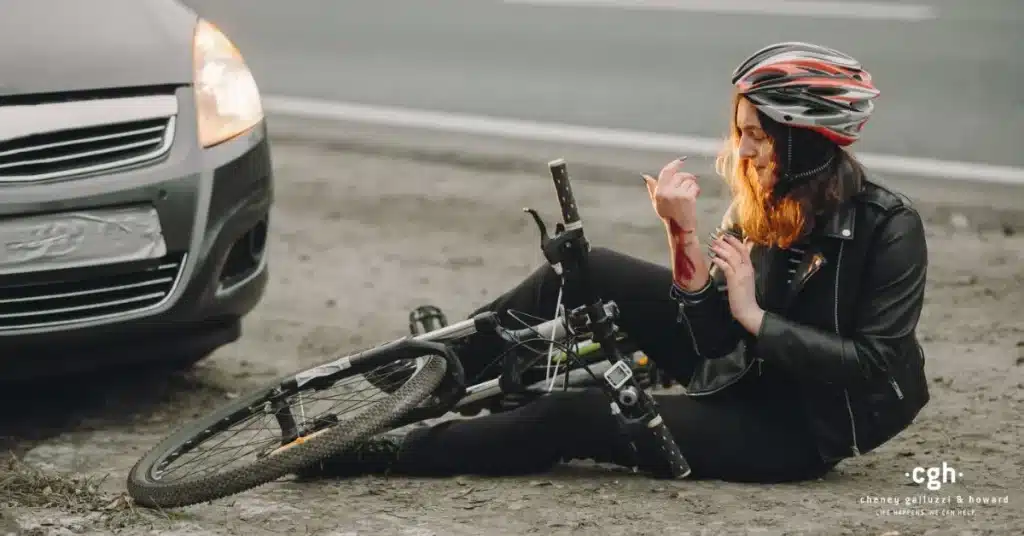
A collision between a bicycle and a commercial vehicle rarely looks like an ordinary traffic case. The physics are different, the injuries are often severe, and the legal picture gets complicated fast. A cyclist hit by a delivery van, dump truck, utility vehicle, rideshare fleet car, or tractor-trailer is not just dealing with one driver’s mistake. There may be an employer, a fleet manager, a maintenance contractor, a shipper, an insurer with a rapid response team, and a stack of electronic records that can vanish if nobody moves quickly.
That is where a Bicycle Accident Lawyer brings value that goes well beyond filing paperwork. These cases demand early investigation, a clear theory of liability, and enough practical experience to understand how commercial operations actually work on the street. A lawyer handling this kind of claim has to think like a litigator, an investigator, and sometimes an accident reconstruction coordinator from the first week onward.
Why commercial vehicle bicycle cases are different
When a passenger car hits a cyclist, the case usually turns on a familiar set of questions. Who had the right of way? Was the driver distracted? Was the cyclist visible? Was anyone speeding? Those questions still matter when a commercial vehicle is involved, but they are only the starting point.
Commercial drivers often work under schedules, route demands, delivery quotas, dispatch instructions, and company safety policies. A box truck may stop suddenly because the driver is under pressure to make a delivery window. A garbage truck may make repeated turns through dense residential streets where cyclists ride close to the curb. A concrete mixer or tractor-trailer may have dangerous blind spots that are far larger than most people appreciate until after a crash.
The legal structure is different too. Commercial cases often bring corporate insurance policies with higher limits, but higher limits do not mean easy settlements. They usually mean tougher defense work. Insurers know catastrophic injuries can produce large verdicts, especially where a vulnerable road user like a cyclist was struck by a heavy vehicle. That reality tends to make the defense side more aggressive, not more generous.
A seasoned Bicycle Accident Lawyer sees that immediately. The opening move is not simply to demand payment. It is to secure evidence before it gets overwritten, repaired away, or explained into ambiguity.
The first days after the crash often shape the entire case
Time matters in any injury claim, but it matters even more when a commercial vehicle is involved. Many fleet vehicles carry GPS data, telematics, dash camera footage, event records, maintenance logs, route histories, and driver communications. Some of that material is preserved automatically. Some is not. A delay of even a few weeks can mean losing the clearest proof of speed, braking, steering input, route pressure, or the driver’s location in the minutes before impact.
An experienced attorney will often send a preservation letter very early. That letter tells the company and insurer to keep the vehicle, onboard data, video footage, inspection reports, dispatch messages, driver qualification files, hours-of-service records where applicable, and any internal investigation materials. It is a simple step in form, but it can have enormous impact. Once evidence disappears, the case often becomes a battle of recollections. Recollections are no match for hard electronic proof.
In serious injury cases, the lawyer may also send an investigator to the scene right away. That can mean photographing skid marks before rain or traffic erases them, measuring lane width, identifying sight obstructions, checking signal timing, and locating nearby security cameras. A turn across a bike lane can look straightforward on paper. In person, the geometry may reveal that the truck’s trailer tracked across the cyclist’s path in a way the driver later minimizes.
I have seen cases where a routine-seeming police report failed to mention a protected bike lane, a loading zone conflict, or a delivery van parked in a way that forced a rider into traffic. Once the scene changed, that detail was gone unless someone documented it early.
Identifying every potentially responsible party
One of the biggest mistakes in these cases is assuming the driver is the only defendant who matters. Sometimes that is true. Often it is not.
If a commercial driver was working at the time of the crash, the employer may be legally responsible under agency principles. That matters because the company may have much larger insurance coverage than the individual driver. But the analysis can go further. Was the vehicle leased? Was maintenance outsourced? Was the driver misclassified as an independent contractor? Did a company set unrealistic delivery expectations that encouraged unsafe driving? Did a municipality create a dangerous loading pattern for sanitation or utility work in a bike-heavy corridor?
A Bicycle Accident Lawyer handling these claims has to map the relationships before deciding how to present the case. In a local delivery van collision, the logo on the side of the vehicle may not identify the real operating company. In a trucking case, the trailer owner, motor carrier, broker, or shipper may each play a role. In construction settings, there may be site safety obligations that contributed to the crash. The legal responsibility can spread wider than the victim initially realizes.
That broader approach does two things. It improves the chance of full recovery, and it prevents the defense from blaming an empty chair. If one responsible party is left out, the others may point fingers in that direction and dilute the claim.
How liability is built in a commercial vehicle bicycle case
Every strong case needs a liability story that is simple enough for an insurance adjuster, mediator, judge, or jury to follow, but detailed enough to survive attack. With commercial vehicles, that story is usually built from layers rather than one dramatic fact.
The first layer is ordinary traffic negligence. The driver may have turned right across a cyclist’s path, opened a lane change without checking mirrors, backed without a spotter, drifted into a shoulder, or pulled from a curbside stop through a bike lane. Those are recognizable driving errors.
The second layer is operational conduct. Was the driver under time pressure? Was the route unfamiliar? Did the company provide training on urban cycling hazards, mirror checks, safe passing distance, or city delivery procedures? Had the driver been involved in prior incidents? A company may insist a crash was a one-off mistake, but records can show a pattern of poor supervision or weak safety culture.
The third layer is equipment and maintenance. Mirrors may be improperly adjusted. Side guards may be absent where they are recommended or required. Brakes, turn signals, cameras, and warning alarms may be defective or neglected. In a heavy vehicle case, a seemingly small maintenance issue can turn an avoidable conflict into a catastrophic injury event.
The fourth layer is street design and situational awareness. Some intersections are notorious for right-hook crashes involving bikes. Some loading zones create predictable conflicts. A good lawyer does not overreach by blaming roadway design in every case, but does understand when the environment makes a company’s safety obligations more demanding, not less.
The defense themes that appear again and again
Commercial vehicle defendants do not defend these cases casually. Their lawyers know that jurors often sympathize with injured cyclists, especially where the power imbalance is obvious. As a result, the defense usually works quickly to shift the narrative.
One common tactic is visibility. The claim will be that the cyclist came from nowhere, sat in a blind spot, wore dark clothing, or moved unpredictably. Sometimes that has partial truth. Many times it is exaggerated. Blind spots are real, but they do not excuse a turn made without proper checks, speed control, or awareness of a bike lane. A lawyer who understands commercial driving dynamics can cross-examine this point effectively. If the vehicle had known blind zones, the driver and company had a corresponding duty to compensate for them.
Another frequent theme is comparative fault. The cyclist may be accused of filtering forward at an intersection, passing on the right, failing to use a light, or not following lane markings. Those facts matter, and an honest attorney addresses them directly rather than pretending they do not exist. But they do not automatically defeat the claim. In many states, an injured cyclist can still recover even if partially at fault, though the recovery may be reduced. The legal strategy then becomes proving the driver’s share of responsibility as clearly as possible.
The defense may also lean heavily on the police report. That can be misleading. Police officers often arrive after the crash, not during it. https://jeffreypctm187.swiftnestly.com/posts/bicycle-accident-lawyer-answers-about-filing-deadlines-2 They may have limited time, limited witness access, and little training in bicycle infrastructure conflicts. A Bicycle Accident Lawyer knows when a report helps, when it hurts, and when it simply fails to answer the real questions.
Medical proof is not a side issue, it is the engine of damages
Commercial vehicle bicycle crashes often cause injuries that change the rhythm of a person’s life overnight. Broken clavicles, wrist fractures, pelvic injuries, traumatic brain injuries, spinal damage, facial trauma, and internal injuries are common. Even a so-called moderate collision can end a cyclist’s ability to commute, work physically demanding jobs, or return to recreational riding.
A good legal case needs more than an emergency room chart. It needs a medical narrative that connects the collision to the full scope of harm over time. That means tracking orthopedic care, imaging, surgery recommendations, physical therapy, neurological symptoms, pain management, scarring, psychological impact, and any work restrictions. If the rider was a serious cyclist, there may also be real losses tied to endurance, balance, confidence in traffic, or the ability to train and compete.
This is an area where practical judgment matters. Not every case requires half a dozen experts. Not every injury claim needs to be inflated into a life-care plan. But serious cases often benefit from physicians who can explain future treatment, vocational experts who can discuss work limitations, and economists who can project income loss where the injury has lasting effects.
The lawyer’s job is not to dramatize. It is to translate medical reality into legal proof.
Commercial records can change the leverage of the case
In a simple car crash, evidence is often limited to witness statements, photos, and medical records. Commercial cases can be richer. They can also be more technical.
A delivery truck, for example, may have route tracking that shows the driver was behind schedule and moving erratically from stop to stop. A refuse truck may have onboard cameras that show the cyclist was plainly visible seconds before impact. A fleet app may reveal the driver received messages while operating the vehicle. A maintenance file may show recurring complaints about mirror vibration or brake issues. A training file may be sparse enough to expose the company’s weak preparation of urban drivers.
Those records matter because they move the discussion from abstract blame to concrete responsibility. They also affect settlement value. When the defense knows the plaintiff has compelling operational evidence, the tone of negotiations changes. Cases that begin with denial often become serious after a deposition or document production reveals what was happening inside the company before the crash.
When experts become necessary
Not every commercial bicycle collision requires formal experts, but many do. Their purpose is not to make the case sound sophisticated. Their purpose is to answer technical questions that ordinary witnesses cannot resolve reliably.
An accident reconstruction expert may use vehicle damage, rider throw distance, scene measurements, camera footage, and data downloads to estimate speed, point of impact, and driver reaction time. A human factors expert may address visibility and perception issues, especially when a company argues the cyclist was impossible to see. A trucking safety expert may explain standard mirror practices, turn procedures, route safety, and company training obligations.
The choice to retain experts is strategic. In a modest injury case, the cost may not be justified. In a catastrophic injury case involving a truck or bus, failing to bring in the right expert can be a serious mistake. A capable Bicycle Accident Lawyer weighs expense against likely benefit and builds the case accordingly.
Settlement strategy is different when a business defendant is involved
People sometimes assume commercial cases settle quickly because companies want to avoid bad publicity. That can happen, but it is not the norm. More often, the company and insurer want to contain exposure, test the plaintiff’s resolve, and see whether the lawyer really has the evidence to support a large claim.
The timing of settlement demands matters. If a demand goes out too early, before liability records and long-term medical information are available, the insurer may treat the case as premature and low-value. If the lawyer waits too long without pressure, the defense may become comfortable with delay. The art lies in pushing at the right moment, once enough proof exists to show the case clearly but before needless drift sets in.
There is also a practical issue many injured cyclists do not anticipate. Businesses often have layered insurance, self-insured retention levels, excess policies, and internal reporting structures that slow decisions. A plaintiff may think the case is just waiting on one adjuster. In reality, the authority to pay may sit with a risk manager, a third-party administrator, outside counsel, and an excess carrier. Experienced counsel understands that ecosystem and negotiates with it rather than being frustrated by it.
The role of the cyclist’s own conduct
A professional approach to these cases requires candor about the rider’s behavior. Cyclists sometimes make choices that complicate a claim. They may ride to the right of turning trucks, move through congested curb lanes, or assume a commercial driver sees them when the driver does not. In some cities, common riding habits develop around delivery traffic that are practical but legally messy.
A strong lawyer does not ignore those facts. The lawyer places them in context. Was the cyclist using a designated bike lane? Was passing on the right lawful or customary under local traffic patterns? Did the truck activate its turn signal in time? Did the driver overtake the bike and then cut across? Was the cyclist visible for several seconds before impact? Those details matter more than broad slogans about who should have been more careful.
Jurors usually respond better to a balanced case than a perfect-victim narrative that collapses under scrutiny. Credibility is currency in litigation. Once it is spent, it is hard to recover.
A brief example of how these cases unfold
Consider a familiar urban scenario. A food distribution truck stops near an intersection during morning delivery hours. A cyclist approaches in a marked bike lane. The truck then moves forward and turns right across the lane, knocking the rider down and causing a fractured pelvis and shoulder surgery.
At first glance, the company says the driver never saw the cyclist and insists the rider was in a blind spot. The police report is neutral. The insurer offers a modest amount based on the claim that fault is disputed.
A careful case investigation changes the picture. Nearby storefront video shows the cyclist in the bike lane for several seconds before the turn. Telematics data shows the truck paused, rolled forward, and turned without a full second mirror check. Training records reveal the driver had limited urban bike awareness instruction despite a city route heavy with bike traffic. The cyclist’s surgeon confirms a lengthy recovery, and employment records show six months of reduced earnings.
That case is no longer just about a driver saying, “I did not see him.” It becomes a preventable right-turn conflict involving inadequate observation and weak training. Settlement value shifts because the proof shifts.
What an injured cyclist should do early
The legal work is important, but early practical steps also matter. In the days after a crash, memories blur and documents scatter. The people involved are often overwhelmed by pain, surgery, and insurance calls.
The most useful early steps are usually these:
- Get prompt medical care and follow through consistently.
- Preserve photos, helmet, bike, clothing, and any damaged gear.
- Avoid giving recorded statements to the company’s insurer without counsel.
- Gather witness names, app data, ride logs, and any scene images.
- Speak with a Bicycle Accident Lawyer before repair, disposal, or delay affects evidence.
That is not about creating a lawsuit where none should exist. It is about protecting the facts while they are still available.
Why trial readiness matters even if the case settles
Most injury cases settle. That is true here as well. But the settlements tend to improve when the defense believes the plaintiff is genuinely prepared to try the case. Trial readiness is not posture. It shows up in how the file is built. Are the records organized? Are the witnesses credible? Has the lawyer developed damages thoroughly? Is the liability theory clear and supported by documents, scene evidence, and testimony?
Commercial defendants can tell the difference between a demand package and a trial case. If they see only a stack of bills and some broad allegations, they will price the matter accordingly. If they see preserved data, targeted discovery, thoughtful medical proof, and a lawyer ready to explain the case to a jury, they usually evaluate risk more seriously.
That is one reason specialization matters. A Bicycle Accident Lawyer who understands rider behavior, urban traffic conflicts, and commercial safety issues can frame the case with more precision than a generalist who treats it like any other crash.
The human side that often gets overlooked
A bicycle is not just a vehicle for many people. It is transportation, exercise, freedom, and routine. When a commercial vehicle injures a cyclist, the damage often reaches beyond scans and invoices. People become anxious at intersections. They stop commuting. They lose fitness they spent years building. They start driving short distances they used to ride. Parents stop biking with their kids. Someone who once moved through a city confidently can become tentative for months or years.
That dimension should not be sentimentalized, but it should not be ignored either. Serious legal representation captures the full impact of the crash without exaggeration. Judges, adjusters, and juries understand hospital records. They also understand what it means to lose a normal part of daily life because a commercial operator failed to drive safely.
Commercial vehicle bicycle cases are demanding because they sit at the intersection of traffic law, corporate practice, injury medicine, and street-level reality. The best results usually come from fast evidence preservation, careful liability analysis, honest treatment of difficult facts, and a damages presentation grounded in real consequences. When that work is done well, a case that began with a chaotic crash scene can be turned into a clear, persuasive claim for accountability.
CGH Injury Lawyers
2701 Lawrence St Suite 201
Denver, CO 80205, United States
Phone: +1 720-669-8062
FAQ About Bicycle Accident Lawyer
Who is at fault if a car hits a bicycle?
Fault depends on the evidence and the traffic rules that applied to the collision. A driver, cyclist, or another party may share responsibility. Police reports, witness accounts, video, and the physical evidence can help establish what happened. A collision with a car does not automatically determine legal fault.
Can you sue someone for hitting you on a bike?
You may have a claim when another person's negligent conduct causes your injuries and losses. The available evidence, applicable deadlines, insurance coverage, and any shared fault affect your options. A lawyer can review the circumstances and explain whether an insurance claim or lawsuit is appropriate; compensation is not guaranteed.
What percentage does an injury lawyer usually take?
There is no single percentage that applies to every injury case. Many lawyers use a contingency fee based on a share of the recovery, with the terms stated in a written agreement. Ask how the percentage is calculated, whether it changes during litigation, and how case expenses are handled before signing.